







Search Results for: Seattle's Best Coffee
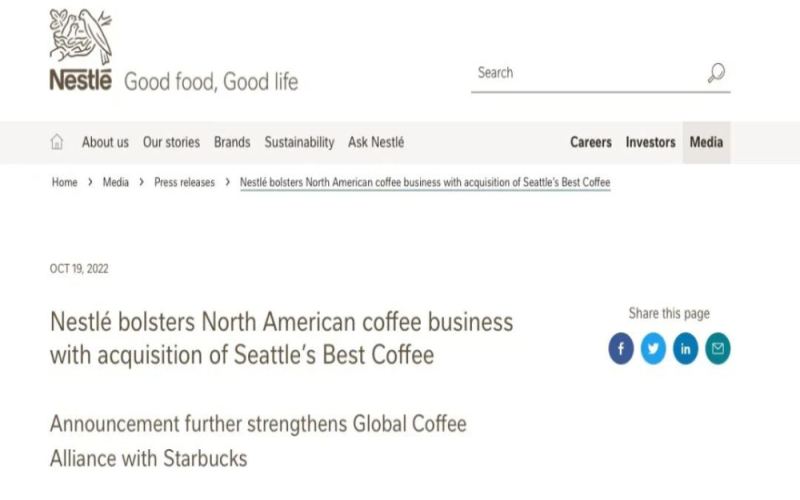
Nestlé makes another move to acquire Starbucks' Seattle's Best Coffee, further deepening the global coffee alliance.
Global food giant Nestlé has announced it will acquire Starbucks' Seattle's Best Coffee brand, a move seen as an important step in Nestlé's continued push to expand in the North American coffee market. This is not the first collaboration between the two companies—in 2018, Nestlé paid $7.15 billion for distribution rights to Starbucks' retail business. The acquisition will further enrich Nestlé's coffee brand portfolio in North America and is expected to be completed by the end of 2022. At the same time, Nestlé has completed several acquisitions this year and launched a new coffee sustainability plan. [more…]
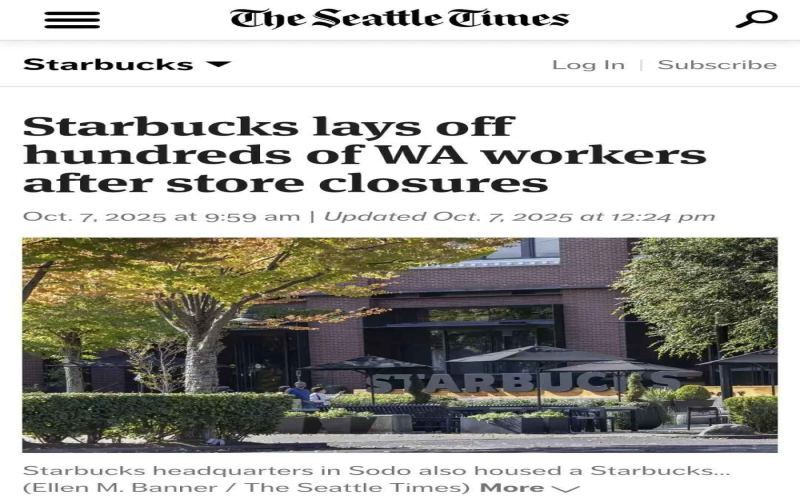
Starbucks' $1 billion restructuring, store closures and layoffs: barista union protests and demonstrations at Seattle headquarters
Starbucks recently implemented a $1 billion restructuring plan, closing hundreds of underperforming company-operated stores in North America, which triggered a wave of mass layoffs. In front of the global headquarters in Seattle's SoDo district, baristas and union members gathered to protest, holding up signs to express strong dissatisfaction with the company's decisions. Laid-off employees said they only learned of their job losses through prerecorded phone calls and social media, without being offered any opportunity to transfer. Union data shows that 59 unionized stores across the United States were permanently closed in this round of adjustments, with 369 people in Washington State facing permanent layoffs. Meanwhile, New York City regulators also pointed out that Starbucks is suspected of violating labor laws. This labor conflict is continuing to escalate, and the union stated that if their demands are not addressed, they do not rule out expanding actions or even going on strike. [more…]

Starbucks launches $1 billion restructuring: the world's first Seattle Roastery permanently closes, with layoffs and store closures spreading across Europe and America.
Starbucks recently announced the launch of a restructuring plan totaling US$1 billion, involving the closure of underperforming company-operated stores and a new round of layoffs. According to a filing submitted to the U.S. Securities and Exchange Commission, most of the store closures will be completed before the end of fiscal 2025, with US$150 million for employee severance and US$85 million covering lease termination and asset disposal costs. CEO Niccol said in an open letter to employees that some stores failed to meet financial targets or create the environment customers expect, so the decision was made to immediately close some stores in North America. Foreign media reports say the restructuring will affect hundreds of coffee shops in the United States and Canada, including the world's first Roastery in Seattle's Capitol Hill and the SODO Reserve store in the company's headquarters building. This Roastery, which opened in 2014, is not only a pilgrimage site for Starbucks fans but also one of the first unionized stores in the brand's history, and its permanent closure without warning has sparked employee speculation about union suppression. At the same time, about 900 non-retail employees will receive layoff notices, marking the second round of layoffs since Niccol took office. Although the Europe, Middle East and Africa business is proceeding as planned, some stores in the UK, Switzerland and Austria will also close due to a portfolio review. [more…]
How to Properly Brew Starbucks Coffee Beans? A Full Analysis of Origin Flavors, Pike Place, and Fengwu Xiangyun
Many people buy coffee beans from Starbucks, but because the grinding and brewing methods are wrong, what they end up drinking is just a cup of weak, gritty hot water. Starting from this problem, this article explains clearly why coffee grounds need to be filtered, why coffee grounds cannot be consumed directly, and the bean selection and roasting logic behind how Starbucks coffee beans traveled from Seattle's Pike Place Market to the world. The article will also introduce the flavor characteristics of Pike Place Roast, the Feng Wu Xiang Yun blend involving China's Yunnan, and the complete tasting method of smelling the aroma, sipping, and taking a full mouthful, helping coffee lovers truly understand the time, temperature, and extraction details behind a cup of Starbucks coffee. [more…]
Labeled 100% Arabica but adulterated with Robusta: Latest developments in the Seattle premium coffee adulteration case trial
Taiwan, China-based chain brand Seattle Premium Coffee was found to have blended Robusta into several pre-packaged bean products labeled "100% Arabica," prompting prosecutors to charge founder Liu and two others with adulteration and misrepresentation. The brand initially argued that Timorese/Timor varieties are a hybrid of the two species, then later changed its statement, saying it was an administrative oversight that the labels were not updated, and was willing to recall only some batches. The court calculated criminal proceeds at approximately 4.07 million yuan, and Liu sought to pay a public welfare fund in exchange for a suspended sentence. The core dispute in the case is that adding Robusta itself is not illegal, but whether a mismatch between the label and contents constitutes adulteration and misrepresentation under food safety law. This article sorts through the sequence of events, test data, and new courtroom statements, so coffee enthusiasts can understand industry labeling standards. [more…]

Shelf Life of Roasted Coffee Beans | What Is the Best Way to Store Coffee Beans? What Factors Affect Coffee Bean Freshness? Is Freezing Coffee Beans a Viable Option?
People nowadays enjoy drinking coffee not only in coffee shops, but more often they want to buy coffee beans and brew a cup carefully at home, savoring it slowly. However, how should the coffee beans or ground coffee you buy be stored so that they don't go bad so quickly? How can you better preserve their fresh flavor? Especially when you've bought some specialty coff... [more…]
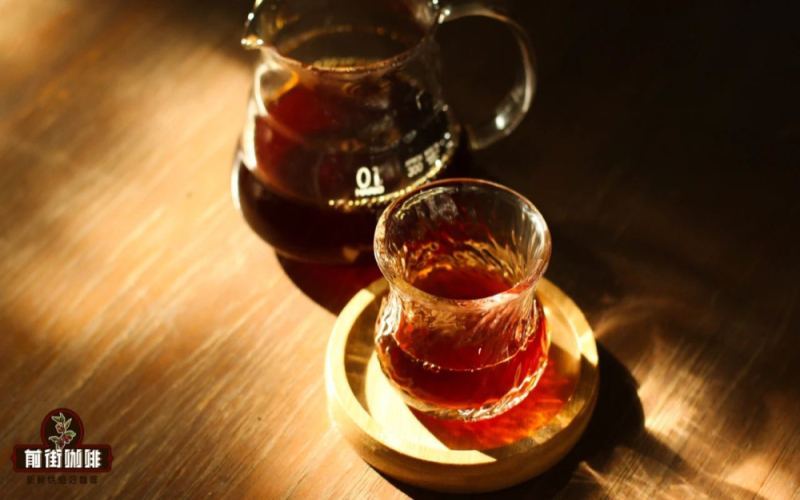
Drip Bag Coffee Shelf Life and Peak Flavor Period Explained: Brewing Water Temperature, Key Parameters, and Whether It Can Be Reused
Drip bag coffee, with its dual advantages of convenience and flavor, has become a daily choice for many coffee lovers. But how long can a pack of drip bag coffee actually be stored? How should it be brewed to restore the best taste? Can the same drip bag be brewed repeatedly? This article will explain item by item the shelf life and optimal flavor period of drip bag coffee, the drinking time limits for different roast levels, brewing water temperature and parameter adjustments, as well as tips for judging freshness. It will also address the misconception of repeated brewing and include complete drip bag brewing steps to help you consistently brew a delicious cup of black coffee at home. [more…]

The Complete Guide to Coffee Bean Freshness: Analysis of the Four Major External Factors Affecting Flavor and the Best Storage Methods
Many coffee lovers are in the habit of buying coffee beans and brewing at home, but how to store them properly to slow down deterioration and preserve the alluring flavors of specialty coffee is a body of knowledge that is easily overlooked. This article, from Front Street's perspective, systematically examines how the four external factors—direct light, oxygen, moisture, and high temperature—affect coffee freshness, and offers corresponding protective strategies for each. We will also discuss the key points for choosing airtight containers, recommendations for storage locations, and common misconceptions about storing coffee in the refrigerator, and finally answer the key question of how long coffee beans and ground coffee each stay fresh, helping you enjoy a truly good cup within its optimal flavor window. [more…]
A Comprehensive Analysis of Flavor Characteristics of Major Coffee-Producing Countries Worldwide and the Choice of Roast Levels
The flavor of coffee is closely tied to the terroir of its origin and its processing method, while the degree of roast determines its final expression in the cup. This article systematically reviews the coffee characteristics of the world's major coffee-producing countries, including Yunnan in China, Brazil, Colombia, Mexico, Hawaii, Indonesia, Costa Rica, Angola, Ethiopia, Jamaica, Kenya, Yemen, Peru, Guatemala, El Salvador, Honduras, and Cuba, covering representative bean varieties, tasting descriptions, and recommended roast levels for each region. It specifically notes that Yunnan coffee has been evaluated by the International Coffee Organization as belonging to the Colombia wet-processed small-bean category, and retains relevant recommendations for the "Front Street" brand. Whether you prefer the mild, moderately acidic and bitter Brazilian beans, or are drawn to the perfectly balanced Jamaican Blue Mountain coffee, you can find flavor guidance here. [more…]
Global Coffee Cultivation Map Analysis: A Comprehensive Overview of Flavor Characteristics and Representative Bean Varieties from the Four Major Producing Regions
Coffee enthusiasts often ask: where in the world is coffee grown? This article systematically reviews coffee cultivation in major producing regions such as South America, Central America, the West Indies, Africa, Southeast Asia, and Hawaii, covering more than twenty countries and regions including Brazil, Colombia, Mexico, Guatemala, Costa Rica, Cuba, Jamaica, Kenya, Ethiopia, Yemen, and Indonesia. From production scale to flavor characteristics, from grade classification to optimal roast level, it explains in detail the unique qualities of coffee from each place. Whether you are a beginner or a seasoned enthusiast, this producing-region guide can help you more clearly understand the diversity of the coffee world. Front Street Coffee has also compiled representative bean varieties from each producing region for you, making it easy to compare and choose. [more…]
Coffee Bean Resting Period | What Is the Coffee Bean Peak Flavor Window? Why Do Freshly Roasted Coffee Beans Need Resting? How Should Coffee Beans Be Rested and Awakened?
For professional coffee knowledge exchange and more coffee bean information, please follow Coffee Workshop (WeChat official account: cafe_style). For more specialty coffee beans, please add our personal WeChat Front Street Coffee (FrontStreet Coffee), WeChat ID: qjcoffeex. "Are coffee beans [more…]
There's an art to adding sugar to coffee: which coffees are best suited to white sugar, brown sugar, and caramel?
Many people are used to adding sugar to their coffee to neutralize the bitterness, but with so many different types of sugar out there, which one pairs best with coffee? There's actually no absolute answer. Because of differences in production methods and composition, different sugars bring entirely different levels of sweetness, aroma, and mouthfeel to coffee. The sugars commonly found in coffee shops are mainly white sugar, brown sugar, and caramel, and each suits a different type of coffee. White sugar is pure and versatile, brown sugar retains the flavor of sugarcane and is better suited to black coffee, while caramel adds an extra layer of toasted aroma. Today Front Street Coffee will talk about the finer points of using these sugars, to help you find the sweet companion that best suits your cup of coffee. [more…]
Is Santos the Best Brazilian Coffee? A Detailed Explanation of Brazil's Coffee Bean Grading System and Naming Rules
Brazil, as the world's largest coffee producer, offers a rich variety of coffee beans with mild flavors, and Santos coffee is the most iconic among them. This article will start with the distribution of coffee-growing regions in Brazil and their flavor characteristics, delve into the unique charm of Santos coffee, and provide a detailed introduction to the grading standards and naming conventions for Brazilian coffee beans, helping coffee enthusiasts fully understand the question of "whether the best coffee in Brazil is called Santos." At the same time, Front Street Coffee will also share recommendations and tasting insights about Brazilian Santos. [more…]
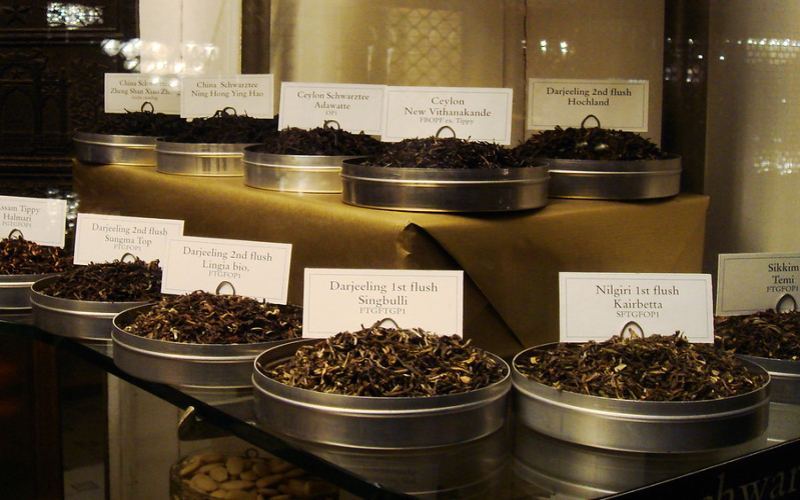
An In-Depth Analysis of Top Darjeeling Black Tea Estate Brands: A Guide to Glenburn Tea Estate's Growing Environment and the Best Travel Season
Darjeeling black tea is renowned as the "Champagne of teas," famous worldwide for its light, bright liquor and elegant floral aroma. Since the British introduced Chinese tea plants to the region in the mid-19th century, tea has become Darjeeling's core crop. Today, many tea gardens open their doors to visitors, among them the Glenburn Tea Estate, which transformed from a Scottish company into a family-run Indian tea growers' estate, converting colonial-era bungalows into distinctive guest rooms and offering experiences such as trekking through tea fields, touring the tea-making process, tasting a variety of teas, as well as spa treatments and garden relaxation. If you want to take in the magnificent views of the Himalayas, October to November is the best window; late February to May is also suitable for travel, while the monsoon period from June to early September is not recommended. Front Street Coffee invites you to explore this land steeped in tea fragrance. [more…]

Can Drip Coffee Bags Be Reused for Multiple Brews? A Detailed Guide to the Correct Brewing Method for Mandheling, Yirgacheffe, and Brazil Drip Black Coffee
Drip bag coffee, with its convenient and efficient characteristics, has become the first choice for many coffee lovers in their daily drinking. But there are still many questions surrounding drip bag coffee: Can it be brewed repeatedly? How to choose a flavor that suits you? How to brew it to get a cup of rich and aromatic black coffee? This article will start from the origin of drip bag coffee, answer the question of whether it can be brewed multiple times, and introduce in detail the key points of selection and the correct brewing steps. At the same time, combined with specific products such as Front Street. Mandheling, Front Street. Yirgacheffe, and Front Street. Brazil Semi-washed, it will help you easily brew a delicious cup of black coffee at home. [more…]
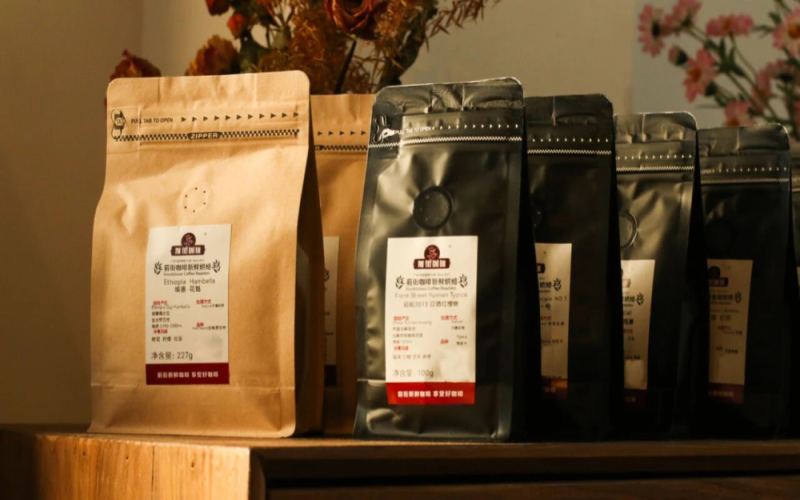
Resting and Roast Level Selection for Espresso Beans: How Long After Roasting Is Best to Drink? Analyzing Flavor Differences Between Light, Medium, and Dark Roasts
How long should freshly roasted espresso beans rest to reach their best flavor? Is light, medium, or dark roast better suited to your taste? This article explores coffee bean freshness management, first offering recommendations by three flavor profiles—floral and fruity, roasted sweetness, and rich and mellow—covering Front Street Yirgacheffe SOE, Huakui SOE, Strawberry Candy SOE, Queen's Estate SOE, Bird of Paradise SOE, Yunnan Small-Batch SOE, plus Golden Mandheling and Front Street's commercial espresso blend. It then explains the relationship between bean degassing and the peak flavor window, recommending the beans be finished within 40–50 days after roasting, or one and a half months at the latest. Finally, it notes that pre-ground coffee needs no resting but should be brewed as soon as possible, and that buying whole beans and grinding fresh just before brewing is best. [more…]
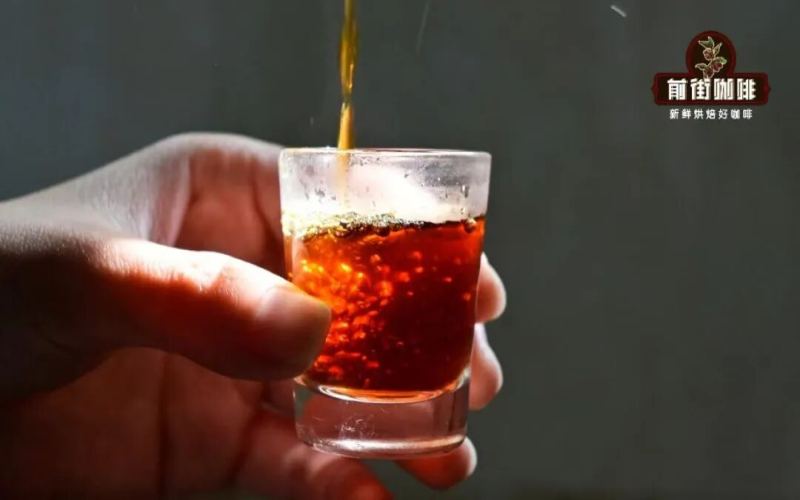
Coffee Tasting Time | How soon after brewing is it best to finish a pour-over coffee? What changes in the coffee flavor of a pour-over coffee the longer it sits?
The peak flavor period refers to the optimal window for tasting coffee beans after roasting is completed. During this time, because there is not too much carbon dioxide interference, and the coffee's flavor compounds have not yet been lost in large amounts, we can brew coffee with the richest aroma and obtain the most complete flavor experience. But did you know, [more…]
From Ethiopian Valleys to Panama Auction Tables: Tracing Geisha Coffee's Rise to Fame and the Reasons Behind Its High Price
Geisha coffee is now regarded as the crown jewel of specialty coffee, but its rise was not achieved overnight. From 1936, when the Englishman Richard Whalley collected seeds in the Geisha Mountains of Ethiopia, Geisha's footprint successively reached Kenya, Tanzania, and Costa Rica, and was finally brought to Panama in 1960 by Don Pachi Serracin. Before 2004, Geisha was long interplanted with other varieties, grown at low altitudes, and had never displayed its own flavor as a single variety. It was not until Daniel Peterson of Hacienda La Esmeralda presented an unblended Geisha in the Best of Panama green bean competition that this bean won first place in one stroke, with a bid price of only $21 per pound at the time. After that, the market crisis triggered by the collapse of the International Coffee Agreement in 1989, together with the push of the specialty coffee wave after the founding of the SCAA, jointly propelled Geisha onto the legendary stage. This article will sort out this historical thread and explain why Geisha prices remain persistently high. [more…]
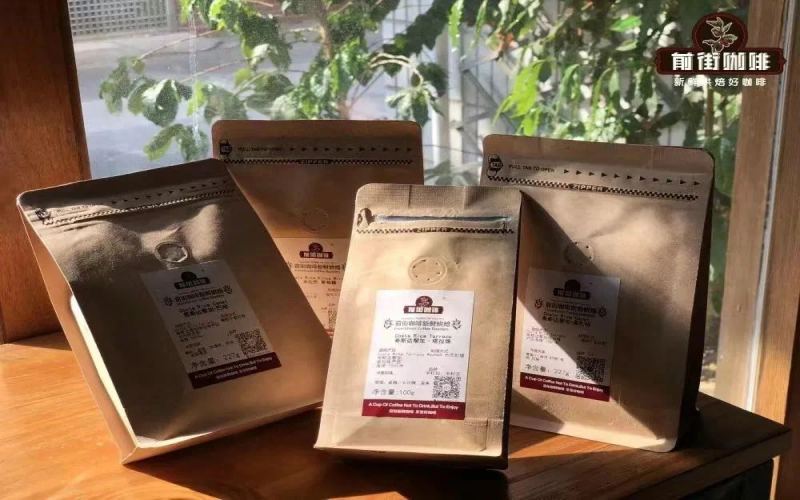
How long is the shelf life of coffee beans? Can they still be consumed after the best flavor period has passed?
Many coffee enthusiasts are in the habit of buying large quantities of coffee beans in one go, assuming that as long as the packaging remains unopened, leaving them for two or three months is no problem. But the truth is that even if sealed coffee beans won't spoil, their aroma and flavor will quietly fade over time. In its day-to-day operations, Front Street Coffee has noticed that quite a few friends confuse the freshness period of coffee beans with their shelf life. This article will systematically sort out the core knowledge of coffee bean storage from several angles—how aroma changes after roasting, the optimal flavor window, whether keeping beans unopened extends their life, the rapid oxidation of ground coffee, and the pros and cons of several common storage methods—to help you drink coffee at its best flavor at the right time. [more…]
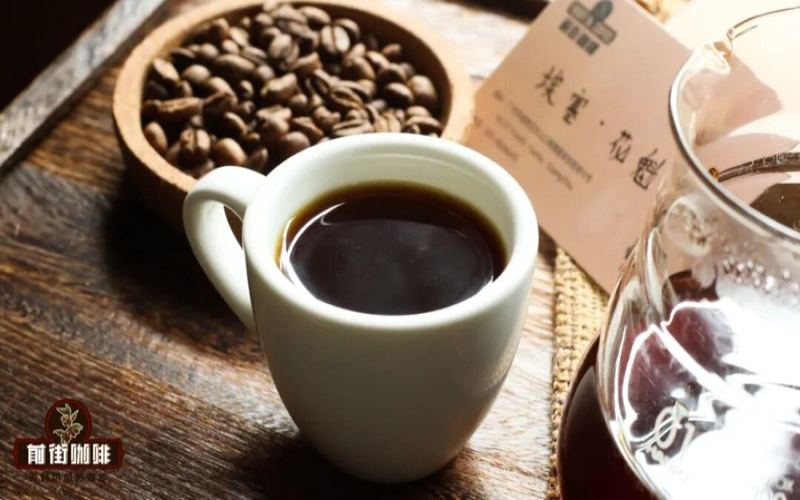
After the Roast Date, When Is the Best Time to Drink Coffee Beans for the Best Flavor?
Before putting coffee beans into an espresso machine, the roast date is worth checking before the aroma words on the packaging. Freshly roasted beans are still rapidly releasing carbon dioxide, and after grinding, the coffee bed is easily disturbed by the gas, which also causes fluctuations in the espresso flow rate and crema condition. Allow an appropriate resting period, and then plan to finish a bag of beans during its peak flavor stage, usually [more…]